How Signature Gifting Turns Promotional Products into Brand Assets
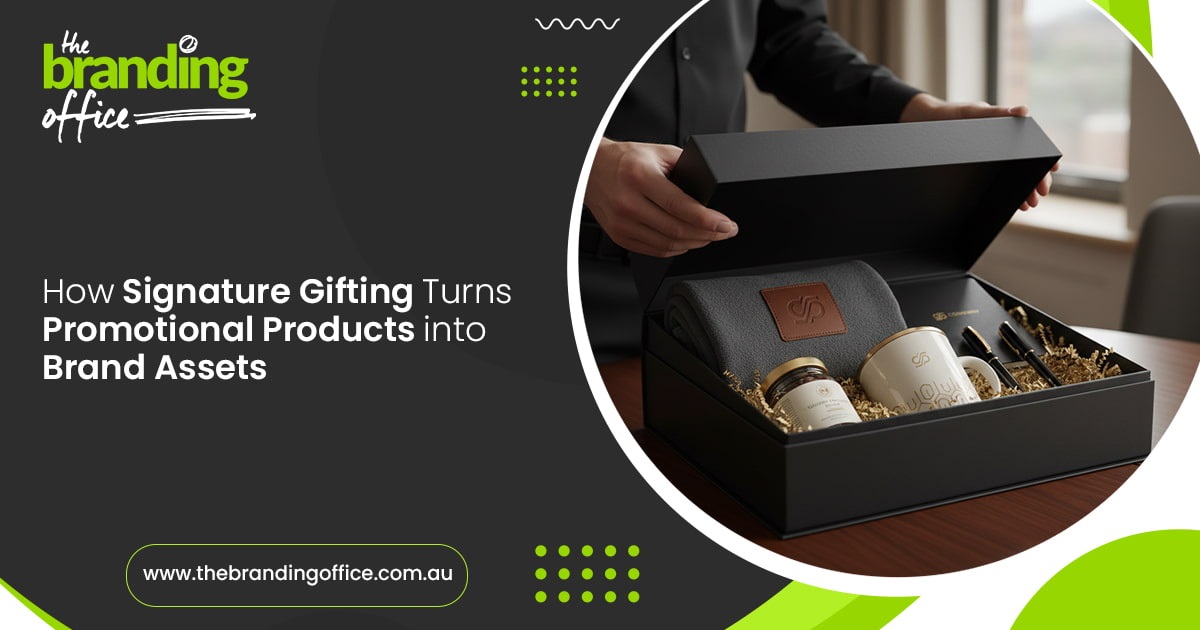
Most organizations treat promotional items as temporary expenses such as low-cost giveaways intended for immediate visibility.
However, shifting to a Signature Gifting strategy transforms these items from disposable trinkets into long-term brand assets.
By prioritizing quality, utility and personal relevance, a gift stops being promotional merchandise and starts functioning as a long-term brand asset, one that lives in boardrooms, homes, and everyday routines.
The Psychology of High-Value Gifting
A signature gift is defined by its ability to integrate into a recipient's daily life.
When an item is useful and aesthetically pleasing, it earns desk real estate or home utility.
It provides a passive reminder of your brand without requiring a recurring advertising spend.
-
Reciprocity Effect: High-quality gifts trigger a psychological impulse to return the favor, often manifesting as increased client loyalty or higher contract renewal rates.
-
Brand Association: A premium product suggests a premium service. If a gift breaks or feels cheap, that perception often transfers to the company’s core offerings.
-
Extended Impressions: Unlike a digital ad that disappears after a click, a physical asset can generate impressions for years.
Impact Metrics: Promotional Products as Assets

Data from the Promotional Products Association International (PPAI) and industry studies highlight why physical assets outperform traditional ephemeral marketing:
Selecting High-Utility Brand Assets
To transform a product into an asset, it must align with the recipient’s lifestyle and environment.
The following categories represent high-retention items that move beyond the disposable category:
-
Executive Office & Stationery: Items like leather-look compendiums, premium hardcover notebooks and branded pens provide daily utility in professional settings.
-
Drinkware: Durable assets such as vacuum-insulated flasks, glassware sets and reusable coffee cups are used repeatedly in public, increasing brand impressions organically.
-
Home & Lifestyle: Products like bamboo cheeseboards, luxury scented candles, and wine gift sets associate your brand with relaxation and high-quality experiences outside of work.
-
Apparel & Tech: High-quality jackets, organic cotton caps and Bluetooth speakers serve as lifestyle staples that carry your brand into the community.
Key Elements of a Signature Gift
-
Intentional Design: Move away from oversized logos. Subtle, stealth branding, such as laser engraving or custom-branded ribbons increases the likelihood that the item will be used in public.
-
Sustainable Quality: Shifting toward eco-friendly materials like bamboo or recycled goods reflects a brand’s commitment to longevity.
-
The Unboxing Experience: The presentation is the first touch. Using custom digital sleeves, branded cards, or personalized packaging elevates the perceived value before the item is even used.
When design is intentional, branding always feels refined. It also encourages recipients to use the gift naturally in everyday settings.
Such types of sustainable, high-quality materials add depth to the gesture, which signals responsibility and long-term thinking.
Equally important is the unboxing experience, which sets the emotional tone from the first interaction.
Thoughtful packaging, personalized elements, and premium finishes create anticipation and increase brand value instantly.
Together, all these elements transform a simple gift into a lasting impression that quietly communicates credibility, care, and purpose.
Conclusion
Moving from buying products to investing in assets requires a focus on Total Cost of Ownership vs. Initial Price. A $2 pen that is discarded in a week has a high cost per impression.
A $25 vacuum-insulated bottle used daily for three years offers a significantly higher return on investment.
By curating a signature corporate gifting suite, brands ensure they remain physically present in the environments where clients and partners make their most important decisions.
If you are ready to move beyond disposable giveaways and build gifting strategies that strengthen brand equity, The Branding Office helps organisations design, curate, and deliver corporate gifts that create lasting impact.